 Moving on a Budget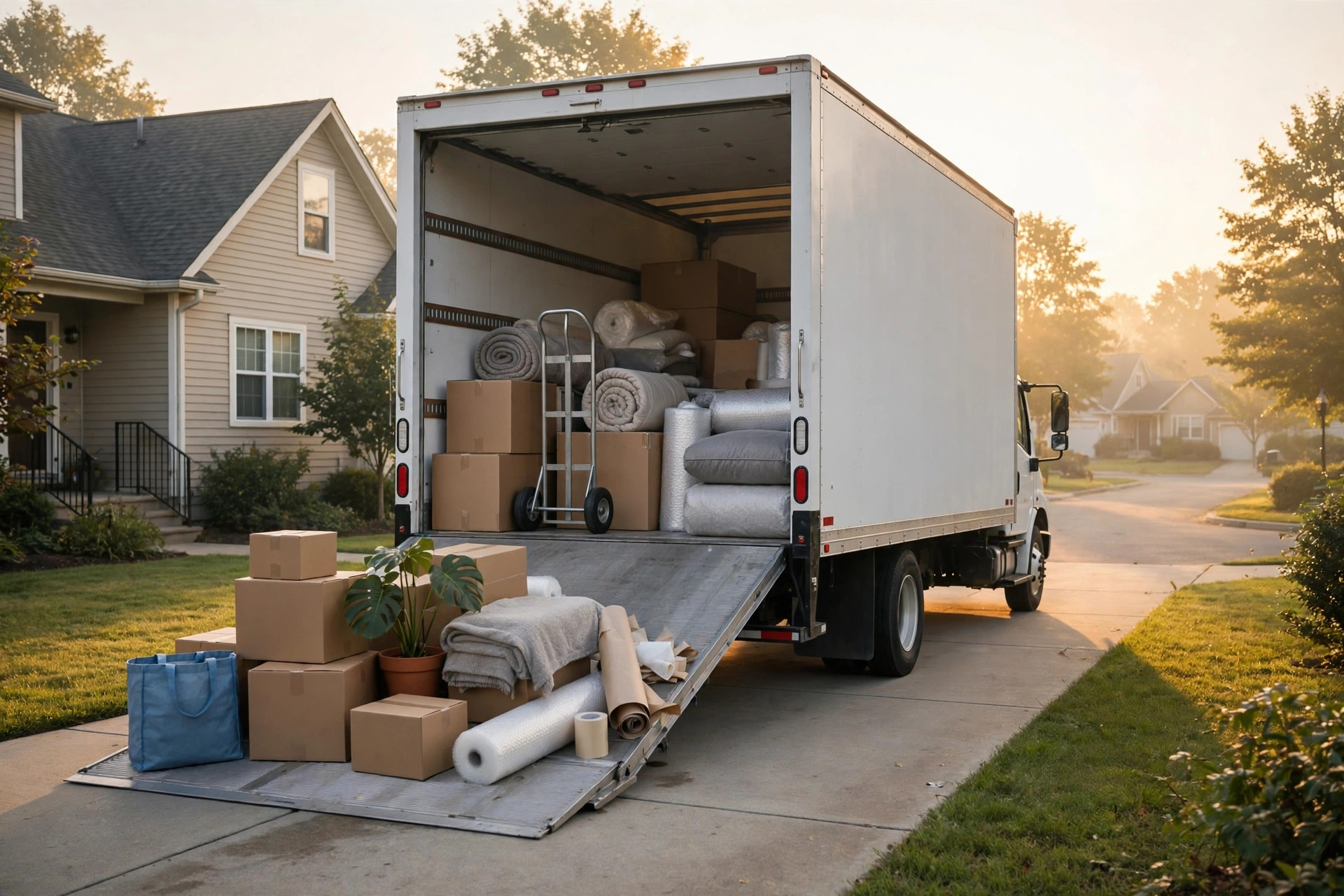
Your Moving-Day Timeline, Hour by Hour
Moving day has a speed limit, and it's set by planning — not muscle. Here's the minute-level plan.
Every wasted hour on moving day has a price tag: movers bill by the hour, truck rentals charge by the day, and hungry helpers slow to a crawl. The difference between a smooth move and an expensive one is almost entirely decided the night before. Run this timeline and the day runs itself.
The night before
- Finish packing. Everything. The only open items in the morning should be bedding, toiletries, and the essentials box (see the essentials guide).
- Disassemble what you can — bed frames, shelving, table legs. Bag and label the hardware; tape it to the furniture.
- Defrost the freezer (at least 24 hours ahead for a full defrost) and empty the fridge into a cooler.
- Stage boxes by room near the exit, heaviest closest to the door. Movers load heavy and large first — make it easy.
- Charge your phone fully and set two alarms. You'll be the coordinator; a dead phone stalls everything.
- Confirm everything: text the movers or truck pickup, text your helpers, confirm the new place's key handoff and elevator booking.
- Pack a "day bag" — wallet, keys (old and new), phone charger, snacks, water, basic tools, cleaning supplies, toilet paper. This rides with you, never in the truck.
Morning: first light to wheels rolling
- Early — 60–90 min before the truck Eat a real breakfast. Do a final walk-through: every closet, cabinet, drawer, the balcony, the storage locker. Put the day bag and essentials box in your car now, before the loading chaos starts.
- Truck arrival Walk the crew or helpers through the plan: what loads first (mattresses against the truck wall as padding, then heavy furniture, then boxes), which rooms are done, where the fragile items are. Point out anything that needs disassembly.
- Loading One person directs; everyone else carries. The director doesn't carry — they answer questions, keep the path clear, and keep boxes flowing. Keep hallways and the truck ramp clear of tripping hazards. Load tight: fill gaps with soft items so nothing shifts in transit.
- Final sweep Before the truck doors close, walk every room with your checklist: closets, bathroom cabinets, under sinks, the garage, any storage unit. Check the thermostat, turn off lights, lock up.
Tip: Photograph the empty old place after the final sweep — every room, plus the meter readings. Those photos are your deposit's best defense and cost you two minutes.
Midday: transit and arrival
- Drive the day bag and valuables yourself. Important documents, jewelry, small electronics, and medications never ride in the truck.
- Eat on schedule. Order lunch ahead or pack it. A fed crew at noon beats a starving crew at 2 p.m. — and a restaurant break for six people costs more than planned sandwiches.
- Arrive at the new place first. Get keys in hand, check the elevator booking, and protect floors at the entrance with cardboard or an old sheet before anything comes off the truck.
- Direct unloading by room. Boxes labeled by room (see the labeling system) go straight to their rooms. Furniture gets placed where it will live — rearranging a couch twice is a waste of everyone's energy.
Afternoon: the first-night setup
You won't unpack everything today, and you shouldn't try. The goal is one functional evening:
- Beds assembled, sheets on. This is non-negotiable priority one.
- Bathroom functional: shower curtain, towels, toilet paper, toiletries from the essentials box.
- Kitchen basics: kettle or coffee maker, a few dishes, the cooler unpacked into the fridge.
- Phone chargers plugged in, Wi-Fi details found (or hotspot running).
- One bag of trash out, boxes broken down and stacked — a clear floor changes how the place feels.
Then stop. Unpacking is a first-week project, not a moving-day project. Order dinner, sit on the floor if you must, and enjoy the cheapest part of the move: being done.
The three budget-killers and how this timeline prevents them
- Paying for idle time. If movers arrive and you're still packing, the meter runs while you tape boxes. Fully packed the night before = the clock buys actual moving.
- The second trip. A poorly loaded truck means a second run — doubling fuel, time, and sometimes the rental day. Load tight, load once.
- The lost deposit. Skipped cleaning and missing meter photos cost deposits every day. The final-sweep routine protects money you've already paid.